A Quiet Word With the Regulator: Reporting a Suspected CBD Side Effect in the UK
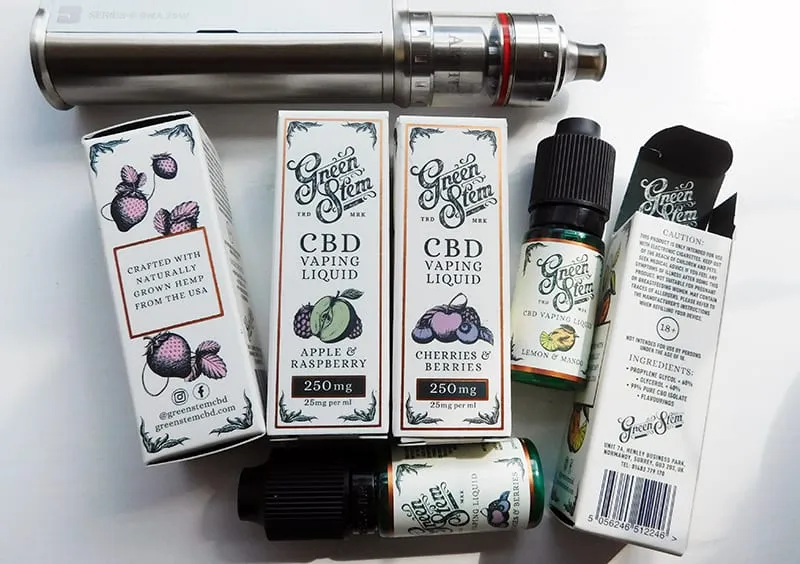
Photo: UnknownEgg, CC0, via Wikimedia Commons
CBD in the UK is usually bought as a food supplement, not as a licensed medicine. That distinction matters for how we talk about effects, claims and regulation. It does not mean that a suspected reaction should be dismissed. If something feels wrong after using a CBD product, there is a formal route for flagging it: the Medicines and Healthcare products Regulatory Agency (MHRA) Yellow Card scheme.
This is not a route for complaining about a weak product or a slow refund. It is a public-health reporting system for suspected side effects. Used carefully, it helps regulators, researchers and manufacturers see patterns that individual users might otherwise keep to themselves.
First, separate the shelf from the pharmacy
Most CBD oil, capsules, gummies and drinks on UK shelves are sold as food supplements. They are subject to food law, novel food requirements and labelling rules, but they are not authorised medicines. A licensed medicine containing cannabinoids is a different category altogether, supplied under medical supervision and with a known formulation, dose and evidence base.
The Yellow Card scheme is designed for suspected side effects to medicines and healthcare products. A CBD food supplement is not automatically a medicine, but that does not make a suspected reaction irrelevant. If a product has been marketed with medicinal-style claims, if you are unsure what it legally is, or if the reaction is troubling, the scheme is a sensible first port of call. The MHRA can decide how the report fits its remit.
What is worth reporting
The scheme is interested in suspected side effects, not general dissatisfaction. A report saying only that a product did nothing is unlikely to be useful. A report saying that nausea began within an hour of a specific oil, that sleep worsened after starting a new gummy, or that a rash appeared after using a balm is more likely to add something.
Worth reporting:
- a new or worsening symptom that began after starting a CBD product;
- an unexpected reaction, even if it seems mild;
- a reaction that seems linked to a particular batch, flavour or formulation;
- a suspected interaction with prescribed medicine, alcohol or another supplement;
- a reaction to a product that makes medicinal claims or sits uneasily between food and medicine;
- a reaction in a vulnerable person, such as an older adult or someone with an existing health condition.
You do not need to prove causation. The Yellow Card scheme works on suspicion, which is why the word suspected is doing so much work. If you are worried enough to wonder whether a product played a part, that is usually enough reason to record it.
You do not need medical certainty
A common hesitation is the belief that only a doctor can submit a report. That is not the case. Consumers can report suspected side effects themselves. A clinician can help, and a GP or pharmacist may be able to add useful clinical context, but you do not need a letter of confirmation before using the scheme.
This matters because many CBD users never mention their use to a clinician. They may fear judgment, assume CBD is too mild to matter, or simply not connect a symptom to a product bought online. The Yellow Card scheme offers a quieter route: a structured record rather than a confrontation.
None of this replaces urgent medical care. If you have difficulty breathing, swelling of the face or throat, severe chest pain, confusion, a seizure or any other emergency symptom, seek urgent help first. Reporting can follow afterwards.
The checklist before you submit
A useful report is specific. Before opening the Yellow Card form, gather the following:
- Product details: brand, product name, pack size, retailer and country of purchase.
- CBD amount: the stated amount per serving and the total amount you were taking each day. Note any other cannabinoids listed, such as THC, CBG or CBN.
- Batch and date information: batch or lot code, best-before date and any code printed on the bottle, box or seal.
- Form and route: oil, capsule, softgel, gummy, drink, balm, patch or vape. Note whether it was swallowed, applied or inhaled.
- Timing: when you started, when you last used it and when the symptom began. Approximate times are fine, but be as clear as you can.
- Symptoms: what happened, how severe it was, how long it lasted and whether it resolved.
- Other products: prescribed medicines, over-the-counter remedies, alcohol, supplements and other CBD products.
- Your context: relevant existing conditions, allergies and whether you sought medical advice.
- Evidence: keep the packaging, batch code and order confirmation. A photograph can be useful if the label is likely to fade or be discarded.
Do not send the product itself unless you are specifically asked to. Keep it stored safely and out of reach of children and pets.
How to submit a report
The Yellow Card scheme can be used online through the MHRA website. The form will ask for information about the product, the reaction and the person affected. You can report as a consumer, and you can ask a healthcare professional to help if you would rather not complete it alone.
Keep a copy of what you submitted. If your symptoms change or you receive medical advice later, you can add to the record. A report is not a diagnosis, and it is not a compensation claim. It is a signal.
Why consumer reports matter
The UK CBD market has expanded faster than its public evidence base. That makes post-market reporting unusually important. Clinical trials tend to be small, short and conducted in carefully selected groups. Real-world users are more varied: they take different doses, combine products, use them alongside prescribed medicines and buy from a crowded retail market.
A single Yellow Card report rarely proves anything on its own. A cluster of well-described reports can help regulators spot a batch problem, a misleading claim or a pattern worth investigating. Reports also give researchers a clearer picture of what people are actually using, at what dose and in what circumstances.
For a market that sometimes leans on hype, this is a modest but useful form of consumer discipline. It replaces alarm with documentation.
What not to expect
The Yellow Card scheme will not tell you whether your product was safe, fake or mislabelled. It will not resolve a refund dispute, and it will not provide individual medical advice. Your statutory rights as a consumer are separate: if a product arrives damaged, spoiled or misdescribed, the retailer is the first point of contact under UK consumer law.
What the scheme does offer is a record. In a sector where evidence is still being assembled, a calm, specific record is more valuable than a frustrated review. If you suspect a CBD product has caused a reaction, note the batch, note the dose, note the timing and submit a Yellow Card report. It is a small administrative act with a public purpose.