Two Figures in the Corner: How to Read Minor-Cannabinoid Ratios on UK CBD Labels

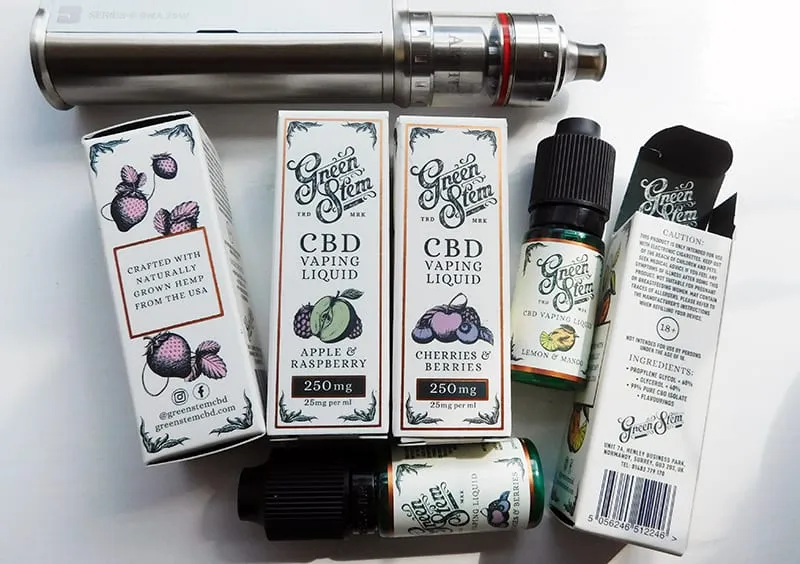
Photo: close-up CBD oil bottle label with cannabinoid ratio numbers and batch code, neutral studio lighting, via healthyuacademy.com
Minor-cannabinoid ratios have become one of the quieter design choices on British CBD packaging. A bottle may carry “CBD:CBG 2:1” in small type; a softgel tub may announce “CBD:CBN 5:1” beside a sleep motif. The figures look precise, almost clinical. They are not a shortcut to a better product. They are a description of a measurement, and they are only useful when the label makes clear what was measured, how, and in what serving.
As of 2026, UK shoppers are seeing more of these ratios because manufacturers are competing for attention in a crowded shelf. CBG and CBN are minor cannabinoids, and early research into them is not a substitute for robust human evidence. A ratio can tell you something about formulation. It cannot tell you that one bottle will work better for you than another, and it should never be read as a dosage instruction.
What a ratio is actually comparing
A ratio is a comparison of two quantities. If a label states CBD:CBG 2:1 and the batch certificate reports 20 mg CBD and 10 mg CBG per millilitre, the ratio is consistent. But if the same front label refers to total cannabinoids, or to the raw extract before dilution, the figure may not match what you actually swallow.
The first question is therefore not “Is 2:1 strong?” but “Two to one of what, measured how?” A ratio should name the cannabinoids in order. “CBD:CBG 2:1” means two parts CBD to one part CBG. “CBG:CBD 1:2” describes the same relationship from the opposite direction. Without names, a bare “1:1” is almost meaningless.
The second question is the basis of measurement. Is the ratio calculated per millilitre, per softgel, per serving, or across the whole bottle? For oils, per-millilitre figures are common. For capsules, per-capsule figures are more useful. For drinks and edibles, per-serving figures matter most. A ratio that is not tied to a serving size can obscure how much CBD or minor cannabinoid a person is actually taking.
Why the laboratory method matters
Most commercial cannabinoid testing uses high-performance liquid chromatography, usually shortened to HPLC. This can separate and quantify cannabinoids in a sample, but the result depends on the sample, the method and the laboratory’s limits of quantification. A certificate of analysis should be batch-specific, dated, and linked to the lot code on the pack. It should show individual cannabinoid results rather than only a headline ratio.
A front-of-pack ratio may be a formulation target, a single-batch result, or a marketing average. Those are not the same thing. If a retailer cannot supply a certificate that matches the batch in your hand, the ratio should be treated as promotional shorthand rather than a verified claim. This is particularly important for minor cannabinoids, which may appear at low concentrations where small analytical differences can shift a ratio considerably.
The problem with a bare “1:1”
Ratios are not standardised across the UK CBD market. One brand’s “1:1” may mean equal milligrams of CBD and CBG. Another may mean equal parts of two extracts. A third may use the phrase loosely across a range. The label may also blur total cannabinoids with individual cannabinoids, or present a ratio without saying whether cannabinoid acids such as CBDA and CBGA were included in the calculation.
This matters because a ratio is not a dose. A product labelled 10:1 may still deliver a modest amount of CBD per serving, while a product labelled 1:1 may deliver a much larger total cannabinoid load. The ratio describes balance, not strength. UK buyers should look first at the milligram figures per serving, then at the ratio, then at the batch certificate. Reversing that order gives the front label more authority than it deserves.
A label-checking routine for UK shoppers
A calm comparison can be made in a few minutes. Start with the named cannabinoids and their order. Check whether the ratio is CBD:CBG, CBD:CBN or something else, and confirm that the two cannabinoids are named on the same part of the label. Next, find the milligram amount per millilitre, per capsule or per serving. If the ratio appears without a corresponding milligram figure, ask for it.
Then look for the batch code and certificate of analysis. The certificate should be recent enough to represent the batch and should show individual results for CBD and the named minor cannabinoid. Check whether the product is described as full-spectrum, broad-spectrum or isolate, because that affects the surrounding cannabinoid profile. Finally, read the serving instructions. A ratio is only meaningful in relation to the amount a person is advised to take.
Questions worth putting to a retailer
A reputable UK retailer should be able to answer a few straightforward questions without deflecting to a blog post. Ask which cannabinoids the ratio compares, whether the figures are per millilitre or per serving, and whether the ratio comes from a batch certificate or a formulation target. Ask for the certificate that matches the lot code on the pack. Ask whether the laboratory’s limit of quantification is low enough to make the minor-cannabinoid figure reliable.
It is also reasonable to ask what the company is not claiming. A retailer that is clear about the limits of the evidence is generally easier to trust than one that turns CBG or CBN into a headline promise. In the UK, CBD products are regulated as novel foods, and inclusion on the Food Standards Agency’s list is a baseline check rather than a guarantee of quality or effect. Advertising claims are also subject to UK rules, including those enforced by Trading Standards and the Advertising Standards Authority.
Claims that outrun the evidence
Be cautious when a ratio is used to imply a specific outcome. “5:1 for sleep” or “2:1 for focus” may be memorable, but the evidence for minor cannabinoids is not strong enough to support tidy, product-specific promises. The naming of CBG and CBN is useful for transparency; it is not a clinical recommendation. A ratio should help you compare like with like, not persuade you that a bottle has been designed for a medical purpose.
The same caution applies to unusually striking ratios. A dramatic figure may simply reflect a very small amount of the minor cannabinoid, or a formulation choice that makes the number look distinctive. It may also be accurate and well tested. The point is not to assume the worst. The point is to ask for the evidence in a form that can be checked.
A sensible way to decide
Treat the ratio as one line in a longer document. It sits alongside the milligram content, the serving size, the batch certificate, the extraction type and the retailer’s willingness to answer questions. If those pieces line up, the ratio can be a helpful summary of formulation. If they do not, the number on the front is doing more work than the label can support.
For UK consumers, the most reliable approach is unglamorous: compare the measurable figures, request the batch paperwork, and remain sceptical of any ratio presented as a promise. A well-labelled product should survive that scrutiny. A striking ratio, on its own, should not be asked to.