The Patch-Test Protocol: Judging CBD Balms for Reactive UK Skin
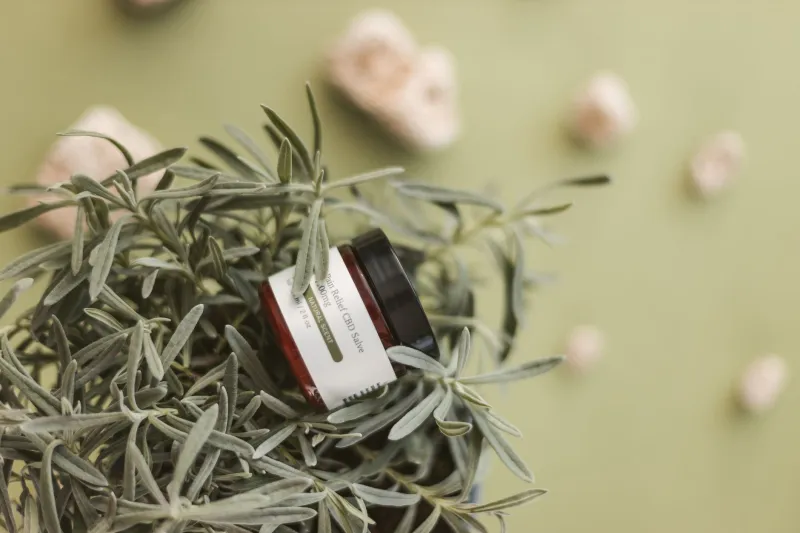
CBD balms, creams and salves occupy an awkward space in the UK wellness market. They are often displayed beside oils and capsules, yet they are usually regulated as cosmetics rather than medicines. For most consumers that distinction is a technicality. For anyone with sensitive, reactive or eczema-prone skin, it is the first thing to understand. A product can be a pleasant moisturiser without being a treatment, and a calming botanical scent can be the very thing that provokes a flare.
The cosmetic line in the sand
In the UK, a topical product making cosmetic claims is expected to moisturise, soften or condition the appearance of skin. If a tub claims to treat eczema, relieve inflammation or manage a medical condition, it moves towards medicinal territory and should be assessed as such by the Medicines and Healthcare products Regulatory Agency. Many CBD balms avoid explicit medical language but imply it through phrases such as skin rescue, flare control or clinically inspired. The careful consumer should read those phrases as marketing, not evidence.
This does not mean cosmetic CBD topicals are worthless. It means their realistic job is narrower: to feel comfortable, support the skin barrier and avoid causing irritation. Cannabidiol itself has been studied for several skin-related areas, but the evidence for topical CBD in sensitive or eczema-prone skin remains limited and mixed. Small studies and product-specific trials are not a substitute for robust clinical guidance. If your skin is broken, weeping, infected or in an active eczema flare, an experimental balm is not the place to start. Speak to a pharmacist or GP first.
What a balm can reasonably offer
A well-formulated balm can reduce water loss from the skin surface and leave it feeling less tight. That effect may come from shea butter, squalane, glycerin, beeswax or other occlusive and humectant ingredients rather than from CBD. This is an important point when judging value. If the base is pleasant and the INCI list is sensible, the product may be a good moisturiser. If the base is heavy, fragranced or packed with essential oils, the CBD content will not rescue it for reactive skin.
CBD concentration is also easy to misread. A balm labelled 500mg may sound strong, but the relevant question is how much cannabidiol is present per gram or millilitre, and how that compares with the rest of the formula. A high milligram figure on a large tub can be less concentrated than a smaller, clearer product. Look for a stated amount per unit rather than a headline number alone. Be sceptical of vague hemp extract language: Cannabis Sativa Seed Oil is usually hemp seed oil, which contains little or no cannabidiol and functions mainly as an emollient.
Reading the INCI list like a label detective
The International Nomenclature of Cosmetic Ingredients list is your most reliable guide to what is actually in the tube. Ingredients appear in descending order of concentration until around one per cent, after which they may be listed in any order. Cannabidiol should ideally be named clearly. Broad-spectrum or full-spectrum extracts may contain other plant compounds, and the label should say enough for you to understand what you are buying.
For sensitive skin, scan for common trouble-makers: fragrance, parfum, essential oils such as lavender or citrus, and their components limonene and linalool. These are not universally harmful, but they are frequent triggers in reactive skin. Preservatives matter too, especially in water-containing creams. Anhydrous balms, which contain no water, may need fewer preservatives, but they can still contain allergens. No list guarantees tolerance. It simply gives you a better basis for a patch test.
A patch-test routine that respects your skin
Patch testing is not a guarantee, but it is a sensible precaution. Choose a small area of intact skin, such as the inner forearm, and apply a thin layer of the product. Leave it uncovered and avoid washing the area for 24 hours. Check for redness, itching, stinging or swelling. Some reactions are delayed, so continue to observe for up to 48 hours if there is no immediate problem. Test one new product at a time; otherwise a reaction tells you little.
Do not test on broken skin, the face or the eyelids first. If you react, wash the area gently with lukewarm water and a bland cleanser, then stop using the product. Seek pharmacist advice if the reaction is persistent or spreading, and urgent medical help if there is facial swelling or difficulty breathing. Keep a note of the product name and batch number. If you later react, that record is more useful than a memory of the packaging.
When the tube is worth buying
A CBD balm earns its place when it is honest about what it is. Look for a clear INCI list, a stated cannabidiol content, a batch code, an expiry date or period-after-opening symbol, and a retailer that can explain the product without medical promises. Packaging that protects the formula from light and air is a good sign. A price per gram calculation is more revealing than a discount badge.
Ultimately, the balm and the boundary should be judged together. If a product is marketed as a treatment for eczema, psoriasis or rosacea, treat that as a red flag rather than a reassurance. If it is presented as a well-made moisturiser with a transparent formula, it may be worth a patch test. For sensitive UK skin in 2026, the most calming ingredient is often not CBD at all, but a clear label and a cautious routine.