Towel, Flask and Label: CBD After a British Open-Water Swim
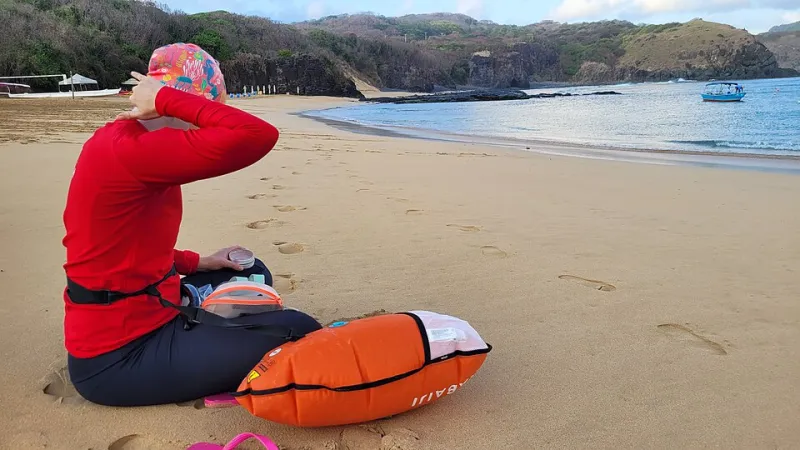
Photo: Thuaia, CC0, via Wikimedia Commons
Open-water swimming in the UK has moved from a niche pursuit to a familiar weekend scene: lidos before work, lakes at dawn, sea dips in all weathers. With that growth has come a familiar commercial shadow. CBD brands now speak directly to swimmers about muscle recovery, inflammation and the calm that follows a cold plunge. Some of that language is carefully hedged; some is not. For UK consumers, the sensible task is not to dismiss CBD outright or to accept the marketing at face value, but to ask what the evidence supports and what a product can realistically do around a dip.
Why cold water and CBD have become neighbours
The appeal is easy to understand. Cold-water swimming is often described as a reset: a sharp physical challenge followed by a warm, steady afterglow. Recovery routines have grown around it, including warm layers, hot drinks, protein, stretching and, increasingly, CBD. The marketing tends to borrow the language of sport: recovery, inflammation, soreness, sleep and stress. These are plausible-sounding words for a wellness product, but plausibility is not proof.
CBD is not a general-purpose recovery drug. In the UK, a purified CBD medicine is licensed for a small number of severe epilepsy conditions, and that is a clinical context far removed from over-the-counter wellness use. For everyday products sold on the high street or online, the evidence base is much thinner. Some studies explore CBD and anxiety, sleep or pain, but results are mixed, sample sizes are often small, and products vary enormously in dose and composition. Claims that a balm will calm inflammation after a swim, or that a drink will speed muscle repair, should be treated with caution.
What the evidence can and cannot support
The strongest caution concerns inflammation and muscle recovery. Inflammation is a normal part of adaptation to exercise, not simply a problem to be switched off. There is no robust UK or international evidence that consumer CBD oils, balms or drinks accelerate recovery from cold-water swimming or reduce delayed muscle soreness in a reliable way. A topical balm may feel soothing because of its massage effect, menthol-like ingredients or simply the ritual of application. That is a sensory experience, not proof of a systemic anti-inflammatory effect.
Sleep and calm are more nuanced. Some people report that CBD helps them feel settled, and small studies have looked at anxiety and sleep, but the quality of evidence remains limited and dose-dependent. A post-swim CBD drink might be part of a calming routine, but so might a flask of tea, a warm shower and a quiet half-hour. The product should not be credited with more than it can reasonably claim. Nor should it become a substitute for the basics of cold-water recovery: drying off, dressing warmly, eating something, hydrating and allowing the body to rewarm gradually.
Where products might fit around a dip
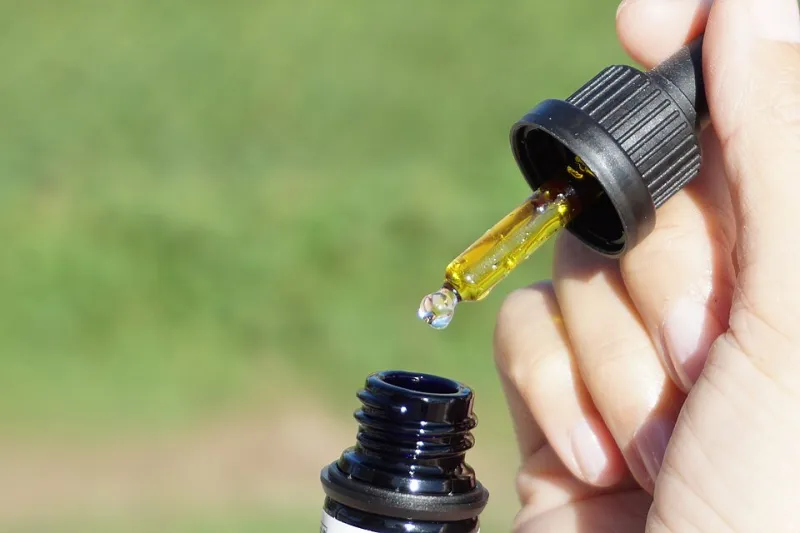
Oils are the most common format for measured dosing. If a swimmer chooses to use one, the sensible approach is to treat it as a separate wellness decision rather than a recovery shortcut. Start with a low dose, record the amount and time, and avoid combining it with alcohol. Some people prefer to take CBD after the swim rather than before, partly because cold exposure and any sedative-like effect can complicate how they feel. Anyone who drives home from a swim should be especially cautious; CBD is not a licence to ignore the UK driving rules on fitness to drive.
Balms and topical products sit in a different category. They are applied to the skin and are not intended to deliver a measured systemic dose. They may be pleasant on dry, intact skin after towelling off, but they should not be used on cuts, grazes or irritated skin, and they should be kept away from the eyes. Open-water swimmers often have minor abrasions from rocks, zips or wetsuits; a balm is not appropriate on broken skin.
Drinks and gummies are convenient but variable. A CBD drink may contain a small amount of cannabinoid alongside sugar, flavourings or caffeine, and the dose per bottle can differ markedly between brands. Gummies can be easy to over-consume because they taste like confectionery. None of these formats should be relied upon for hydration or recovery. Water and food remain the priority.
Cold water first, CBD second
The safety hierarchy around open-water swimming is not negotiable. Cold shock, impaired swimming ability, afterdrop and hypothermia are real risks, particularly in UK waters that remain cold even in summer. No CBD product prevents or treats these. Swimmers should follow venue guidance, use appropriate clothing, avoid swimming alone in unfamiliar water, and rewarm slowly. If someone feels confused, very cold, drowsy or unwell after a swim, they need warmth and medical assessment, not a wellness product.
CBD can also interact with some medicines, and its effects on the liver are a reason for caution with high or repeated doses. People who are pregnant or breastfeeding, taking prescribed medication, or managing a health condition should speak to a pharmacist or GP before using CBD. This is especially important for anyone who takes anticoagulants, epilepsy medicines or drugs with a narrow therapeutic window.
The legal and labelling checks UK swimmers should make
In 2026, CBD extracts sold as food or supplements in the UK are expected to be on the Food Standards Agency's novel food register, or to be part of an authorised application. A product that cannot show its status is a product to leave on the shelf. THC remains a controlled drug, and reputable UK sellers should be able to explain how they keep trace levels within legal limits. Labels should state the amount of CBD per dose, not just per bottle, and should carry batch and expiry information. Certificates of analysis are useful only when they match the batch in your hand.
Be wary of medical claims. A UK seller should not tell you that CBD treats inflammation, arthritis, anxiety or any other condition unless the product is a licensed medicine. General wellness language is common, but specific therapeutic promises are a warning sign. Check that the retailer is UK-based, reachable and clear about returns. If you plan to travel abroad with CBD, check the destination country's rules before you pack it; UK legality does not travel with the bottle.
A practical checklist before buying
- Confirm the product's novel food status with the FSA register.
- Look for clear CBD content per dose, batch number and expiry date.
- Ask for a batch-matched certificate of analysis.
- Avoid products that make specific medical claims.
- Start low, keep a note of dose and timing, and do not combine with alcohol.
- Keep CBD secondary to warmth, food, hydration and rest after a swim.
Cold-water swimming offers genuine pleasure and a strong sense of community. CBD may have a modest place in some people's wider routine, but it is not a recovery mechanism and should not be sold as one. At Cannabi CBD, the position is straightforward: enjoy the dip, respect the cold, read the label and keep expectations grounded in evidence.