After the Last Rep: Where CBD Fits in a Sensible UK Recovery Routine
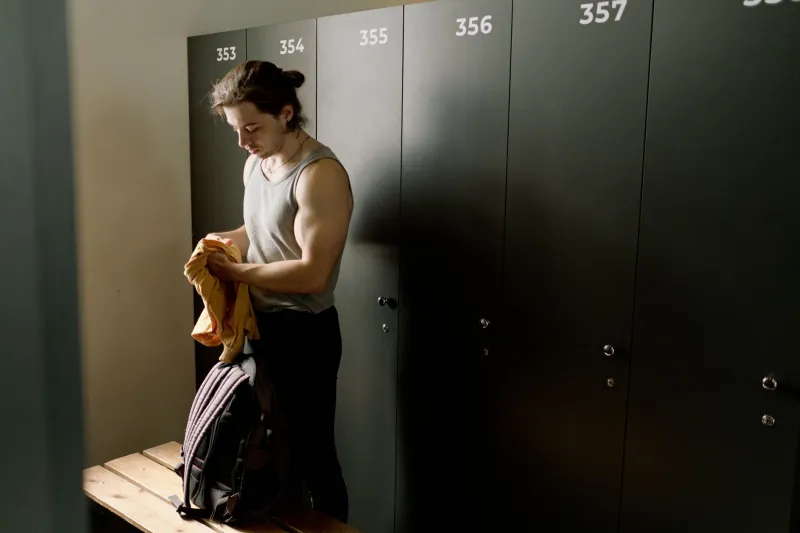
The gym bag has become a crowded place. Alongside the towel, the shaker and the resistance bands, a small dropper bottle now appears with some regularity — often purchased with vague expectations of less soreness, better sleep and a quicker return to training. For UK consumers, the question is not whether CBD is fashionable in fitness circles, but whether it deserves a place in an ordinary recovery routine. The honest answer is cautious: there may be a modest supporting role, but the evidence is thinner than the marketing suggests, and the practical details matter more than the hype.
What the evidence can and cannot tell us
CBD has been studied for pain, anxiety and sleep, but exercise recovery is a relatively narrow field. Much of the research involves small groups, short durations and varied products, which makes firm conclusions difficult. Reviews of cannabinoids and muscle soreness have generally found insufficient high-quality evidence to recommend CBD as a reliable treatment for delayed onset muscle soreness, the familiar ache that peaks a day or two after unfamiliar or intense training.
There is, however, a plausible indirect route. Recovery is shaped by sleep, stress and perceived readiness, and poor sleep after evening training is common. If a CBD product helps a person feel calmer at bedtime — and some trial evidence, though mixed, points to small effects on anxiety and sleep in certain contexts — then the benefit may be real but indirect. That is a different claim from “CBD repairs muscle”, and UK consumers should be wary of any retailer that blurs the two.
The placebo effect is also relevant. Recovery is subjective, and expectation is powerful. A calm, consistent routine — including a warm shower, a protein-containing meal and a sensible bedtime — will often do more than any single supplement. CBD should be judged as an optional extra, not a foundation.
Oils, balms and drinks: three different propositions
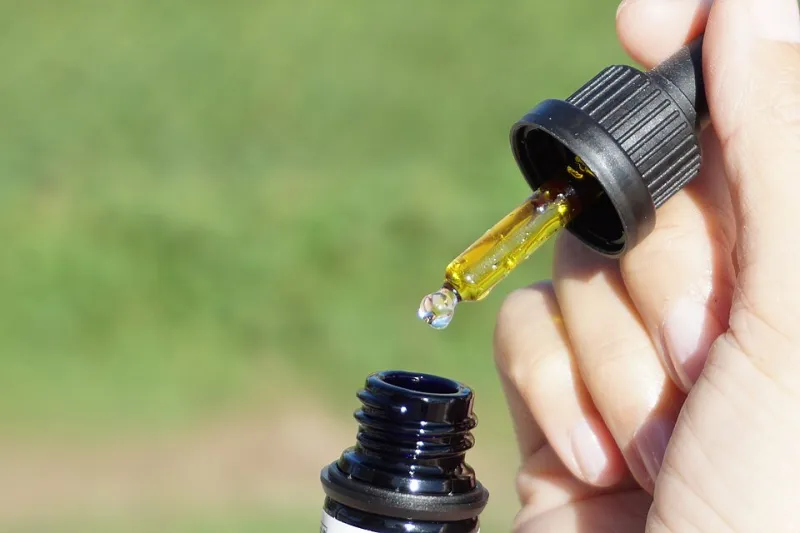
Oils offer the most control over dose, provided the label is clear about how much CBD is in each drop or millilitre. Absorption varies between people and between products, and the carrier oil matters. A dropper taken sublingually is the conventional method, but the taste and texture are not for everyone. For gym-goers, the practical advantage is precision; the disadvantage is that the bottle is less convenient than a ready-made drink.
Balms and topical products are popular after training because they feel purposeful. The evidence for topical CBD in muscle soreness is limited, and any cooling or warming sensation may come from menthol, camphor or capsaicin rather than CBD itself. Topicals are generally low-risk for systemic exposure, but they can irritate sensitive skin, and they should not be applied to broken skin. They are best viewed as a comforting ritual rather than a proven recovery treatment.
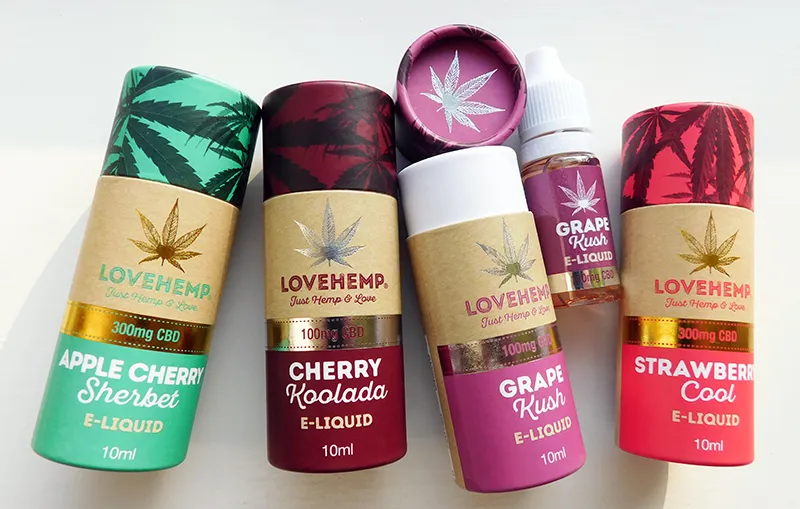
Ready-to-drink CBD beverages are the most convenient option and the easiest to over-consume without noticing. Many are low in CBD and high in sugar or sweeteners, and the dose per bottle can be modest. They may suit a post-gym wind-down, but they are a poor way to judge whether CBD itself is doing anything. If the goal is to test a response, a measured oil is usually a cleaner experiment.
Timing and dosage without guesswork
There is no established post-workout dosing schedule for CBD, and UK consumers should be sceptical of anyone who offers one with confidence. A sensible approach is to follow the product label, start at the lower end of the stated range, and keep a simple record of dose, timing and how you feel over a week or two. Taking CBD immediately after training is not obviously superior to taking it in the evening; the choice depends on whether the aim is a recovery ritual, sleep support or general calm.
Caution is warranted. CBD can interact with some prescription medicines, including certain anticoagulants and epilepsy treatments, and it may add to the effects of alcohol or sedatives. Anyone taking regular medication, pregnant or breastfeeding, or managing a health condition should speak to a pharmacist or GP before starting. Driving should be avoided if a product makes you drowsy, and CBD should not be used to mask an injury that needs assessment. For athletes subject to anti-doping rules, UK Anti-Doping has noted that CBD itself is not prohibited, but contaminated products remain a risk — another reason to choose retailers who publish batch-level laboratory certificates.
The UK checks before checkout
In the UK, CBD products sold as food supplements must comply with novel food rules, and the Food Standards Agency maintains a public list of products with valid applications. A reputable retailer should be able to point to that status, not just a certificate of analysis. The label should state CBD content clearly, ideally per dose as well as per bottle, and confirm that THC is within the legal limit of 1mg per container. Batch codes and dated laboratory reports are useful signs of quality control; without them, freshness and consistency are guesses.
Be alert to medicinal claims. CBD is not a licensed medicine for recovery, pain or sleep, and UK rules restrict what sellers may claim. A brand that promises to “speed repair” or “eliminate soreness” is overselling. A better sign is plain language: what the product contains, how it was tested, and what it does not claim to do.
A sensible place in the bag
The gym bag is a useful metaphor because it forces a practical question: what actually earns its place? Sleep, adequate protein, sensible progression and rest days remain the core of recovery. CBD may sit alongside those habits as a small, optional experiment — particularly for evening calm or as part of a post-training routine — but it is not a shortcut. Buy from a transparent UK retailer, start low, keep notes, and treat any benefit as modest until your own experience suggests otherwise. That is a calmer and more defensible position than the one promised by the shelf talk.