The Monthly Measure: Auditing a UK CBD Subscription Before the Next Direct Debit
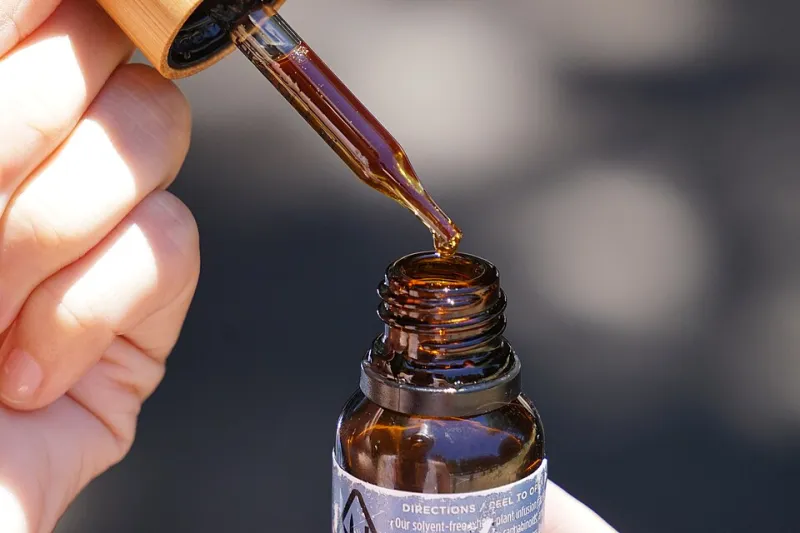
Photo: elsaolofsson, CC BY 2.0, via Wikimedia Commons
A monthly CBD delivery has an obvious appeal: one less decision, a modest discount and the reassuring thud of a bottle arriving before the last one is empty. Yet a subscription is not merely a purchasing method. It is a recurring commitment, often tied to a card or Direct Debit, and it deserves the same scrutiny as any other household outlay. In a market where products vary considerably in strength, volume and price per milligram, the sensible question is not whether a subscription is inherently good or bad. It is whether the arrangement matches your actual use, your storage habits and your budget.
Why the headline discount deserves a second look
CBD retailers frequently present subscriptions as the cheaper route. A one-off 300mg bottle might cost £25, while a monthly plan could reduce that to £20. The saving is real, but it is conditional. It assumes you will use the product at the intended rate, that the bottle will remain in good condition and that you will not accumulate a cupboard of part-used oils. If a discount encourages you to buy more than you need, the effective cost per milligram used may be higher than the apparent bargain.
It is also worth separating the product price from the cost of delivery. Some plans include postage; others add it monthly. Over a year, a £3.95 delivery charge becomes £47.40, which can erase a seemingly generous percentage saving. Check whether the subscription price includes VAT and postage, and compare like with like.
The arithmetic of price per milligram
Price per milligram is a more useful comparison than bottle price alone. Divide the total cost, including delivery, by the number of milligrams in the bottle. A 300mg bottle at £25 works out at about 8.3p per milligram. A 1,000mg bottle at £55 is about 5.5p per milligram, but only if you will use the larger bottle before it degrades or before your needs change.
Strength is not a proxy for quality. A higher-milligram product may be cheaper per milligram yet unsuitable if you are cautious about dose, if you are new to CBD, or if the bottle will outlast its useful life. The calculation should therefore include a realistic estimate of daily use. If you take 10mg a day, a 300mg bottle lasts around a month. If you take 10mg once or twice a week, the same bottle may last several months, making a monthly delivery excessive.
Freshness, storage and the problem of stockpiling
CBD oils are not immune to time. Light, heat and air can affect freshness, and opened bottles should be stored according to the retailer's instructions, typically in a cool, dark place with the cap firmly closed. A subscription that delivers faster than you use creates a small stockpile. That is not necessarily a safety issue, but it is a quality and value issue.
Before subscribing, check the batch code and best-before information on the product you have. Ask how the retailer rotates stock and whether subscription orders are fulfilled from current batches. If you decant oil into a smaller bottle for travel, clean and dry it thoroughly. Avoid storing CBD in the bathroom cabinet, where steam and temperature swings are common. A subscription should fit your storage space, not overwhelm it.
The Direct Debit in plain terms
A Direct Debit is an instruction to your bank to pay a company on a recurring basis. In the UK, the Direct Debit Guarantee provides important protections. If an amount is taken in error, your bank should refund it. You can also cancel a Direct Debit at any time by contacting your bank, and you should tell the retailer as well to avoid confusion. The retailer should give advance notice of changes to the amount or date of collection.
That is different from a recurring card payment, where the retailer stores your card details and charges it according to the plan. Card subscriptions can be convenient, but cancellation may depend on the retailer's portal or customer service. Never assume that deleting an app or ignoring an email ends the arrangement. Put cancellation in writing and keep a copy.
Auto-renewal traps to check before clicking
Consumer law in the UK has become more attentive to subscription practices, but the practical burden still falls on the buyer to read the terms. Look for the minimum term, the notice period, the cancellation method, the frequency of delivery and the process for pausing. A low introductory price may roll into a higher standard price after one or two deliveries. A plan may renew automatically unless cancelled within a narrow window.
Online distance selling normally includes a 14-day cooling-off period, but the position can be more complicated once a sealed product has been opened, particularly where hygiene or health-protection exemptions apply. Check the retailer's returns policy before ordering, and do not rely on a general assumption that an opened bottle can be returned simply because you changed your mind.
A short audit before the next payment
Review your last three orders. How many milligrams did you actually use each week? How many bottles are open or unopened? What did you pay per milligram, including postage? Does the plan have a minimum term or a price increase scheduled? Can you cancel online, or must you telephone during office hours? Set a calendar reminder before any trial period ends. If the answers are vague, pause the subscription and buy a single bottle instead. A recurring delivery is a tool, not a virtue. It is worth keeping only when it is measured against genuine use.