The Open Bottle Policy: Discussing CBD Honestly at a UK GP Appointment in 2026

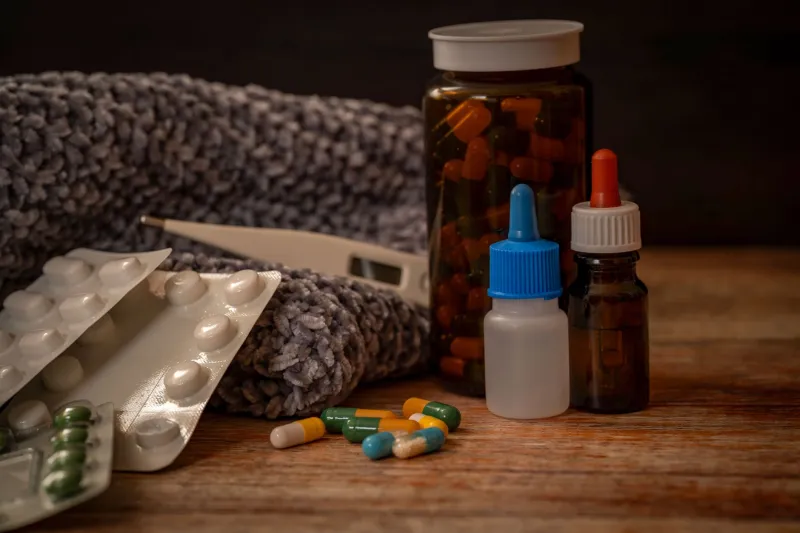
Photo: Paul Harrop, CC BY-SA 2.0, via Wikimedia Commons
A GP appointment is not a product review. It is a brief clinical conversation, often constrained by time, competing priorities and a computer screen that demands attention. For a UK consumer using cannabidiol, the most useful contribution you can make is not a request for endorsement but a clear account of what you are taking, how much, when, and what you have noticed. In 2026, with CBD widely sold but still subject to novel food rules rather than medicines licensing, that distinction matters.
Disclosure, not approval
It is understandable to want a GP to say that a CBD product is fine. But a GP cannot approve a brand, authenticate a batch or guarantee the contents of a bottle bought from a retailer. CBD products are not licensed medicines for the treatment of specific conditions, and the clinical evidence base remains uneven across the many claims made for them. What a GP can do is consider your wider health picture: your medicines, your symptoms, your liver and kidney function where relevant, and whether a CBD product might complicate rather than clarify your care.
Honest disclosure is therefore the aim. You are not asking for a prescription, a blessing or a formal sign-off. You are giving the GP information that may affect their assessment. That information should be factual and proportionate, not promotional.
What to put on the desk
The strongest tool in a short consultation is a concise record. You do not need to bring every bottle, but a photograph of the label can be more useful than a verbal description. If you do bring the product, keep it closed and place it on the desk only if invited.
A useful set of details includes:
- The product name and retailer.
- The stated CBD content per serving and per container.
- The batch code and, where available, the expiry date.
- Whether the label describes it as full-spectrum, broad-spectrum or isolate.
- The stated THC content, if any.
- The dose you take, the route — oil under the tongue, capsule, edible or drink — and the time of day.
- How often you take it and for how long you have done so.
- Any other medicines, supplements or herbal products, including over-the-counter remedies.
- The symptoms you are trying to manage and whether anything has changed since you started.
A single page or a note on your phone is enough. The aim is to reduce ambiguity, not to produce a dossier.
The label is more useful than the brand
Brand names carry little clinical weight. The label and batch code carry more. A GP may not know the product, but they can see the declared strength, the carrier oil, the stated THC level and whether the product makes medicinal claims that sit awkwardly with its regulatory status. If you have a certificate of analysis, bring it only if it is legible and relevant; a long laboratory document is unlikely to be read in a ten-minute appointment, but the batch code can help if a reaction is later suspected.
Be cautious about treating a label as proof of purity or efficacy. Labelling and certificates can demonstrate that some testing took place, but they do not establish that a product is safe for your particular circumstances or effective for your condition.
Describing effects without overclaiming
GPs are trained to notice causal language. Saying “CBD cured my anxiety” invites scepticism and may obscure the real question. A more useful formulation is: “I started taking it in March. I noticed that I was getting to sleep a little more easily over the following fortnight, but I also changed my evening routine, so I cannot attribute the change with confidence.”
Keep to observable details: timing, duration, severity and function. Did your sleep change, and by how much? Did you notice a difference in pain scores, concentration, appetite or mood? Were there any unwanted effects, such as drowsiness, stomach upset, headache or changes in bowel habit? Mention alcohol, caffeine and any other CBD or cannabis-related products, including those bought online.
Avoid presenting subjective improvement as clinical proof. A neutral record is more credible and more useful than a testimonial.
Medicines and conditions that warrant extra caution
CBD can interact with some medicines by affecting liver enzymes involved in drug metabolism. The effect is not universal, and it varies with dose, formulation and the individual. It is sensible to flag CBD use if you take anticoagulants, epilepsy medicines, immunosuppressants, sedatives, some antidepressants, thyroid medicines or medicines with a narrow therapeutic index. Liver disease, pregnancy, breastfeeding, planned surgery and a history of substance misuse are also reasons for a careful conversation rather than a casual one.
This is not a reason to panic. It is a reason to be specific. Tell the GP the dose and timing, and ask whether any of your medicines warrant monitoring or a review. If you are due surgery or a procedure, mention CBD alongside any other supplements.
A short pre-appointment checklist
Before the appointment, note the following in five lines or fewer: product and batch; CBD amount per dose; frequency and timing; other medicines and supplements; symptoms and any changes since starting. Add one line on unwanted effects and one question you want answered. Keep the question realistic: “Is there anything in my medicines list that makes CBD use worth reviewing?” is more answerable than “Is CBD safe for me?”
If the GP is unfamiliar
Not every GP will have detailed knowledge of the UK CBD market, and that is not a failure. Ask for a medication review if interactions are a concern, or ask whether a pharmacist could advise. Bring the conversation back to your symptoms and your medicines rather than debating the merits of a particular retailer. If you experience a suspected adverse reaction, stop and seek appropriate advice; suspected reactions to healthcare products can be reported through the MHRA Yellow Card scheme.
The open bottle policy is simple: be forthcoming, be precise and do not ask the GP to do something they cannot do. A calm, factual account gives the clinician the best chance of giving you useful advice — and gives you a clearer record of your own use.