The Unread Label: CBD Freshness, Batch Codes and Storage Explained for UK Buyers
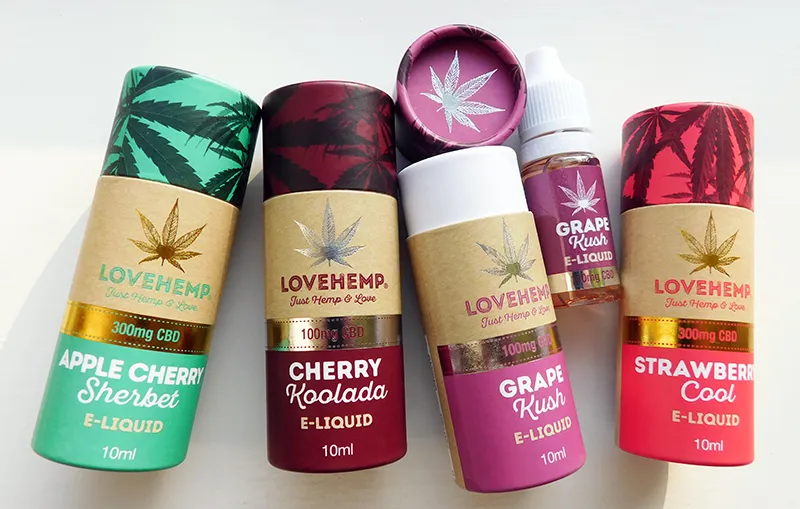
Photo: Ecig Click, CC BY-SA 2.0, via Wikimedia Commons
The details most buyers skip
A CBD product often arrives with a bold front label, a promising flavour name and a small panel of print on the back that few of us read closely. That panel is where the useful information tends to sit: the best-before date, a batch code, storage instructions and, sometimes, a prompt to check a certificate of analysis. None of these details guarantees a good product. Together, however, they offer a more sober way to judge what you have bought and how it has been kept.
In the UK, CBD is sold in a crowded and uneven market. Labels vary, certificates are not always easy to find, and the difference between a product that is simply past its best and one that is genuinely unsafe is not always obvious. A calm approach is to treat the small print as a set of questions rather than a set of promises.
Dates are not all the same
A best-before date is usually about quality. It suggests the point after which a product may begin to lose flavour, aroma, colour or potency. A use-by date is different: it is typically reserved for products where safety is time-sensitive, often perishable foods and drinks. Many CBD oils and tinctures carry a best-before date rather than a use-by date, which is one reason a product can be past its best without being automatically dangerous.
That distinction matters, but it should not be stretched too far. A date is only meaningful alongside the storage conditions the maker intended. An oil kept in a warm kitchen cupboard for months may deteriorate faster than the label assumes. A gummy pack left in a hot car is not the same product, in practical terms, as one kept in a cool, dry place. The date is a guide, not a force field.
Batch codes: the thread back to the paperwork
A batch code is the manufacturer’s way of linking a finished product to a specific production run. It is often a short string of letters and numbers, sometimes near the best-before date or on the base of the bottle. When a retailer or manufacturer publishes a certificate of analysis, the batch code is the detail that should let you check whether the certificate belongs to the product in your hand.
A certificate of analysis is not a magic seal of approval. It is a laboratory report, and its value depends on what was tested, how the sample was taken and whether the batch code matches. A certificate that lists cannabinoid content but says nothing about contaminants may be useful for one question and silent on another. A certificate that cannot be tied to your batch is weaker still. The sensible move is to compare the batch code on the pack with the batch code on the certificate, then read the report for what it actually covers.
How storage changes oils, gummies and drinks
Heat, light and air are the usual suspects. CBD oils are often sold in dark glass because light can accelerate changes in the oil over time. Repeatedly opening a bottle exposes the contents to air. Keeping it beside a cooker, on a sunny windowsill or in a steamy bathroom is unlikely to help. A cool, dark, dry place with the cap firmly closed is a reasonable default unless the label says otherwise.
Gummies present a different set of issues. They can absorb moisture, stick together or change texture if kept somewhere warm. A sealed pack in a cool cupboard is usually more sensible than a loose handful in a warm bag. Drinks are often the most perishable category: once opened, they may need refrigeration and quick consumption, and the label should be followed closely. Carbonated CBD drinks may lose their sparkle; still drinks may change in taste. These are quality signals rather than automatic safety warnings.
When past best is not the same as unsafe
A product a few weeks past its best-before date may still be usable, but it is reasonable to expect some decline. Oils may taste different or seem less potent. Gummies may be firmer or softer. Drinks may taste flat or stale. The honest position is that freshness and potency are not the same thing, and neither can be confirmed by a date alone.
There are clearer warning signs. A damaged seal, a leaking bottle, visible mould, an off smell that is not typical for the product, or a drink that has been left open well beyond its instructions are all reasons to stop and ask questions. If the product looks or smells wrong, do not rely on the date to settle the matter. Contact the retailer or manufacturer, describe the batch code and the storage conditions, and ask for their view. A pharmacist can offer general guidance on medicines and supplements, though they cannot validate a specific CBD product’s quality from a distance.
Your consumer rights are part of the picture
If a CBD product arrives damaged, damp, leaking or clearly not as described, the small print becomes evidence. Keep the packaging, photograph the batch code and the date, and contact the retailer promptly. UK consumer law gives buyers routes to redress when goods are not of satisfactory quality or do not match the description, and a calm, documented approach is usually more effective than a frustrated email. The batch code and date help everyone establish what was supplied and when.
A practical routine
Read the date and batch code before you open the product. Note where you stored it. If you use a certificate of analysis, check that the batch matches. Keep oils away from heat and light, keep gummies dry and sealed, and follow drinks labels once opened. If something seems wrong, pause and ask rather than guessing. The quiet shelf is not glamorous, but it is often where the most useful information lives.